


4 Tips to Maintain Dental Health as You Age



This article outlines practical, effective strategies for older adults to maintain optimal dental health, including using an electric toothbrush, properly caring for dentures, maintaining consistent dental check-ups and exploring dental insurance options.
In this article:
Why dental health becomes more important as you age
Use an electric toothbrush
Take your dentures out at night
Check in with your dentist regularly
Research dental coverage and insurance options
Prioritizing your dental health with Mutual of Omaha
Frequently asked questions
Getting older doesn't mean giving up on a healthy smile, but your teeth and gums need extra attention as the years go by. In the same way small shifts help your physical and mental health, your mouth benefits from consistent care too. Building healthy habits doesn't require a complete lifestyle overhaul. Let's explore some oral hygiene tips that will help keep your teeth and gums in good shape as you age.
Why dental health becomes more important as you age
As you get older, the risks tied to poor dental health increase, making consistent dental health tips for seniors more essential than ever. Natural aging can lead to a decrease in saliva production, which plays a vital role in rinsing away food particles and neutralizing acids.
When saliva flow decreases, plaque buildup becomes more likely, increasing the risk of cavities. Many older adults also experience gum recession, which exposes more of the tooth surface and creates additional opportunities for decay.
Certain medical conditions, such as diabetes, heart disease or dry mouth caused by medications, can also affect your oral health. As we age, these issues become more common, making it essential to prioritize good oral hygiene. Regular dental visits and daily habits, such as brushing with fluoride toothpaste and flossing, are key to maintaining oral health.
Dr. Manoj Pawar, Chief Medical Officer at Mutual of Omaha says that there are other physical effects of poor dental health. He continues, “Inflammation associated with poor oral health, such as periodontal disease, has been linked to systemic conditions including cardiovascular disease, particularly through inflammation of the blood vessel walls, as well as diabetes and dementia. Separately, impaired chewing can increase the risk of malnutrition and aspiration pneumonia.”
Staying consistent with good dental health habits not only protects your smile but can also support your overall well-being. Oral issues can cause pain and hinder proper nutrition, and in some cases, they may even lead to broader health complications.
Clean eating, which focuses on whole, nutrient-dense foods, can help support oral health by reducing inflammation, promoting tissue repair and ensuring the body gets the essential vitamins and minerals it needs to prevent further complications.
Here are some dental health tips to help maintain optimal oral health:
Use an electric toothbrush
An electric toothbrush is more effective than a manual toothbrush at reducing plaque and gingivitis.1
Many models have built-in timers that help keep you on track and ensure you brush your teeth for the right amount of time. Electric toothbrushes are not only highly effective at cleaning your teeth, but their ease of use makes them especially helpful for people with arthritis, carpal tunnel or other mobility issues.
In addition to keeping your teeth white, these toothbrushes can save you money over time. Purchasing replacement heads in bulk rather than buying a whole new toothbrush each time can be more affordable and better for the environment.
Additionally, eliminating plaque and improving your dental hygiene can help reduce costs at the dentist’s office.
Here are a few other tips when brushing your teeth:
Gently brush your teeth on all sides with a fluoride toothpaste
Lightly brush your tongue and floss your teeth every day
Rinse your mouth after using dental floss
Brush your teeth at least twice a day
Take your dentures out at night
Whether you’ve just gotten your first set of dentures or have been wearing them for years, it’s still important to take them out at night. This way, your gums get a break, and you can soak your dentures in a cleaning solution to help keep them in good shape.
If you're new to dentures, start with soft foods and chew slowly to give yourself time to adjust.
Check in with your dentist regularly
Dental checkups are important, and the number of visits you should have each year can vary depending on your individual needs and oral health.
Your insurance may affect how often you can get a checkup, too. Your policy may even cover two cleanings a year. It's a good idea to check with your provider to understand your benefits and make the most of your coverage.
Research dental coverage and insurance options
Original Medicare (Part A and Part B) doesn’t cover routine dental services or check-ups and only covers dental care for certain procedures or if it’s medically necessary. However, some Medicare Advantage plans may include this coverage if you need it.
If you already have a Medicare Advantage Plan, call your insurance provider to see whether it includes dental coverage. If you’re shopping for plans, make sure to ask about this added benefit. Keep in mind, you may need to pay an additional premium for a Medicare Advantage plan on top of what you’re paying for Medicare Part B.
Not enrolled in Medicare? Not interested in getting a Medicare Advantage plan? Already enrolled in a Medicare Advantage plan with no dental coverage? You may consider a standalone dental insurance plan tailored to your needs and budget. There are plans designed for senior needs that offer added flexibility when selecting your coverage level, dentist network, and premium.
Prioritizing your dental health with Mutual of Omaha
It’s important to take care of your dental health at any age. Whether it’s brushing twice a day or switching to a fluoride toothpaste, your smile is an important investment. The right senior dental insurance coverage can also help you stay on top of dental needs without stretching your budget.
If you’re exploring options or want guidance on choosing a dental insurance plan that fits your needs, Mutual of Omaha is here to help.
Explore your options and start giving your smile the attention it deserves.
Frequently asked questions (FAQs)
What are the warning signs of gum disease in older adults?
Early warning signs of gum disease include red, swollen or bleeding gums, often triggered when brushing or flossing. Persistent bad breath, loose teeth or gums that appear to pull away from the teeth can also signal gum disease. Staying attuned to these symptoms and following daily dental care tips, such as gentle brushing and consistent flossing, can help detect issues early and keep your gums healthier as you age.
What dietary changes can support better dental health as you age?
A diet rich in calcium, vitamin D and crunchy fruits and vegetables can strengthen your teeth and stimulate saliva production. To protect your teeth’s enamel, you should limit sugary snacks, acidic drinks and processed foods.
How do common prescription medications affect dental health in seniors?
Medications for blood pressure, allergies, anxiety and depression can cause dry mouth, which increases plaque buildup and the risk of tooth decay or gum disease. If you experience dryness, ask your dentist for tips such as using fluoride rinses, sipping water, chewing sugar-free gum or consulting your doctor about alternative medications.
Sources:
National Library of Medicine, Efficacy of an Electric Toothbrush With Monitor in Dental Plaque Removal, February 2024
Centers for Disease Control and Prevention (CDC), About Tooth Loss | Oral Health, May 2024
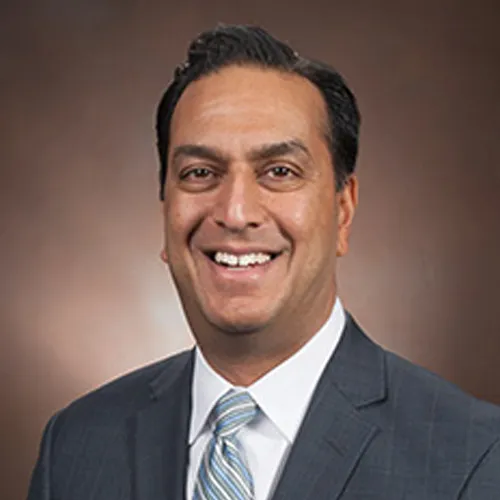
Reviewed by: Dr. Manoj Pawar
Chief Medical Officer at Mutual of Omaha
Dr. Manoj Pawar, MD, FAAFP, is a board-certified family physician and Chief Medical Officer at Mutual of Omaha. He brings over two decades of clinical and executive experience with a focus on preventive care, public health and empowering physicians and patients with the tools they need to live their best lives. Dr. Pawar completed his undergraduate degree at Northwestern University, his medical degree at McGill University in Montreal, and his specialty training at the University of Colorado. He’s a Fellow of the American Academy of Family Physicians and a member of Delta Omega, the Public Health honor society.
Suggested content for you in Health & Well-Being
-
Seniors Fight Loneliness with Creativity
-
How to Boost Memory: 7 Brain Health Tips
-
7 Tips for Safe Online Banking for Seniors
-
Fun Activities for Seniors to Stay Healthy
-
Best Balancing Exercises for Seniors
-
Early Warning Signs of a Heart Attack in Older Adults
-
What Is a Statement of Health (SOH)?
-
Stay on Par: Tips to Keep Your Golf Game Sharp as You Age
-
Tips for a Healthy Cardiovascular System: Heart Advice
-
Cancer Insurance: Pros and Cons to Consider
Explore other topics
Staying Fit
5 Exercises for a Cardio Workout At HomeTraveling in Retirement
Top 5 Cities for Seniors to RetireHealth & Aging
Fun Activities for Seniors to Stay Healthy All Categories
 Medicare
 Retirement Planning
 Business Resources
 Life Insurance
 Financial Planning
 Health & Well-Being
 Travel & Living